
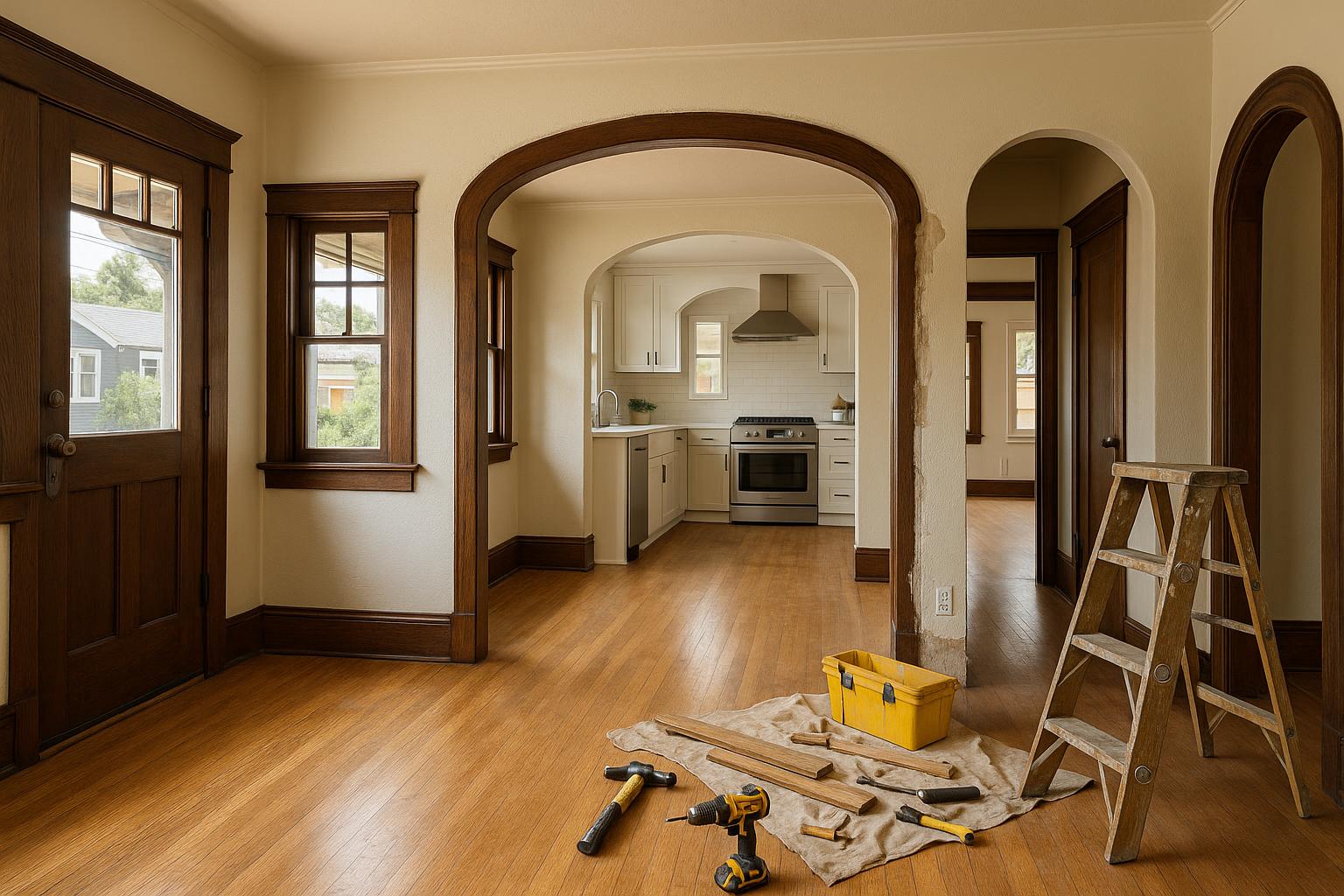
Why Remodeling an Older Home Is Different
San Diego is full of homes with history. From 1920s Craftsman bungalows in North Park to mid-century ranches in La Jolla, older properties have a charm that newer construction simply can't replicate. But when it comes time to remodel, that character often comes with a few surprises hiding behind the walls.
If you're planning a renovation on a home that's 40, 60, or even 100 years old, the process looks a little different than updating a recently built house. Understanding those differences upfront can save you time, money, and a lot of frustration. Here's what you need to know before you pick up the phone and call a contractor.
Expect the Unexpected Behind the Walls
This is the single biggest difference between remodeling an older home and a newer one. When your contractor opens up a wall in a home built in the 1950s, there's a reasonable chance they'll find something that wasn't in the original plan — outdated wiring, galvanized pipes that are corroding from the inside, or framing that doesn't meet current building codes.
These discoveries aren't anyone's fault, and they're not a sign of a bad contractor. They're simply the reality of working with older construction. The best thing you can do is:
- Build a contingency budget. Most remodeling professionals recommend setting aside 15-20% of your total budget for unexpected issues in older homes. For newer homes, 10% is usually sufficient.
- Choose a contractor experienced with older homes. A team that has worked on vintage San Diego properties will recognize potential problems earlier and know how to address them efficiently.
- Stay flexible with your timeline. Addressing hidden issues properly takes time, but cutting corners now will cost you far more later.
Permits and Code Compliance Matter More Than You Think
When you remodel any home in San Diego, you'll likely need permits from the city's Development Services Department. But with older homes, code compliance can become a more significant factor. Building codes have changed dramatically over the decades, and a renovation can trigger requirements to bring certain systems up to current standards.
For example, if you're doing a major kitchen remodel in a 1960s home in Hillcrest, you may need to upgrade the electrical panel to handle modern appliances. A bathroom renovation might require updating the plumbing to meet current water efficiency standards. These aren't optional upgrades — they're requirements that your contractor should be navigating on your behalf.
Working without permits might seem like a shortcut, but it can create serious problems when you try to sell your home or file an insurance claim. A reputable remodeling company will always pull the proper permits and schedule the required inspections.
Lead Paint and Asbestos: Don't Panic, But Don't Ignore Them
If your San Diego home was built before 1978, there's a possibility that lead-based paint was used somewhere in the house. Homes built before the 1980s may also contain asbestos in floor tiles, insulation, popcorn ceilings, or pipe wrapping.
Neither of these materials is dangerous when left undisturbed. The risk comes during renovation, when sanding, demolition, or cutting can release harmful particles into the air. That's why it's critical to work with a contractor who follows EPA guidelines and is certified in lead-safe work practices.
Before starting demolition, a professional team will assess the risk and, if necessary, arrange for testing. If hazardous materials are found, proper abatement procedures add cost and time to the project — but they protect your family's health and keep the project legally compliant.
Preserving Character While Adding Modern Function
One of the most rewarding aspects of remodeling an older home is the opportunity to blend original character with modern livability. Many homeowners in neighborhoods like Coronado and North Park want to keep the architectural details that make their homes special — original hardwood floors, built-in cabinetry, arched doorways — while updating kitchens, bathrooms, and living spaces for the way they actually live today.
This balancing act requires thoughtful design and skilled craftsmanship. A few strategies that work well include:
- Refinishing rather than replacing. Original hardwood floors can often be sanded and refinished to look stunning. Original trim and molding can be preserved and incorporated into updated rooms.
- Matching materials carefully. When you need to add new elements, choosing materials that complement the home's era creates a cohesive look rather than a jarring contrast.
- Opening up floor plans thoughtfully. Many older homes have compartmentalized layouts. Removing a wall to create an open kitchen and living area is popular, but it needs to be done with structural integrity in mind — especially in homes where walls may be load-bearing.
Energy Efficiency Upgrades That Pay for Themselves
Older homes in San Diego tend to be less energy efficient than newer construction. Single-pane windows, minimal insulation, and outdated HVAC systems can drive up utility bills and make rooms uncomfortable, especially during those surprisingly warm San Diego summers.
A remodel is the perfect time to address energy efficiency because the walls are already open. Consider these upgrades:
- Insulation. Adding modern insulation to walls and attics makes a dramatic difference in comfort and energy costs.
- Windows. Replacing single-pane windows with double-pane, low-E glass reduces heat transfer and outside noise.
- HVAC systems. Upgrading to a modern, properly sized heating and cooling system improves efficiency significantly.
- Electrical panel upgrades. A modern panel supports today's appliances and smart home technology safely.
Many of these improvements also qualify for rebates through SDG&E or federal tax credits, which can offset a portion of the cost.
Choosing the Right Remodeling Partner for Older Homes
Not every contractor has experience working with the unique challenges of older construction. When you're interviewing remodeling companies, ask specific questions:
- Have you worked on homes from this era before?
- How do you handle unexpected discoveries during demolition?
- Are you certified for lead-safe renovation practices?
- How do you approach permit requirements for older properties?
- Can you show me examples of older homes you've renovated?
The right team will answer these questions confidently and show genuine enthusiasm for the work. Remodeling a vintage home isn't just about swinging hammers — it's about understanding how the home was built, respecting its history, and making smart decisions about what to preserve and what to update.
Your Older Home Deserves a Thoughtful Renovation
Remodeling an older home in San Diego is one of the most satisfying investments you can make. You get to honor the craftsmanship of a previous generation while creating a space that works perfectly for your life today. The key is going in with realistic expectations, a solid budget, and a remodeling partner who knows what they're doing.
At Stonegate Building Pros, we've helped homeowners across San Diego — from Chula Vista to La Jolla — transform their older homes into modern, functional spaces without losing the character that made them fall in love in the first place. If you're thinking about remodeling your vintage home, we'd love to talk about what's possible.